· By My Store Admin
Taking Note
I can’t count how many recipes I’ve lost over the years—some of them my best and most fearless. Many of these casualties were born in my early fermentation days, when I didn’t know how fully food and fermentation would sweep me off my feet. I worked urgently to figure it out, scribbling things down haphazardly or sometimes not at all. Fifteen years later, the intention behind my work is stronger than ever and I’ve perfected my note taking skills.
Fearlessness in our vocation is a gift, a turning point even, in which we start to innovate. While urgency can get things moving, it’s careful attention and attunement to process that allow true craft to emerge.
A good student writes things down, and ideally by hand, since it’s proven to activate better learning. These days, it’s rare that I go a day without my scale, measuring spoons, and recipe journal. Even if they’re splattered with the day’s experiments and I’m the only one who can decipher them at the end of the day, I’m always so grateful I took the time to write notes.
Always date your recipes and note timeframes, temperature, and even materials—this is so important with fermentation. There are cases where you may even want to digitize a recipe sooner rather than later, as with year-long fermentations like miso. Having a detailed record backed up can be incredibly valuable for recreating more complicated, long-term fermentations.
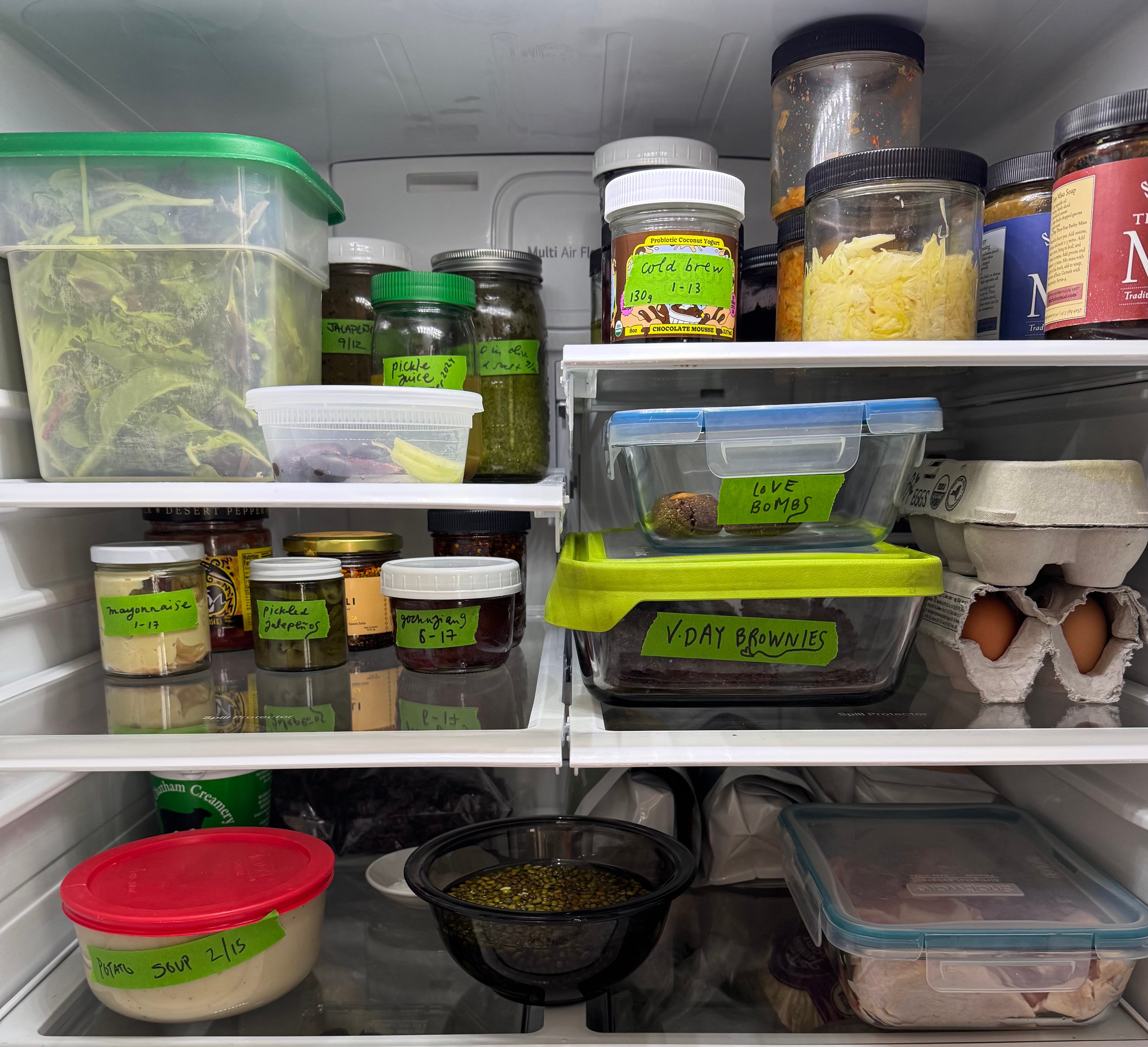
At Drifter Ferments, bright green painters tape is affixed onto every freshly packed jar or crock and labeled with its contents and date. This of course becomes more important in commercial production, and even in a small scale fermentory such as mine where we perform small-scale experiments, a labeling system is non-negotiable.
Because I have multiple recipe threads going at once, I keep different notebooks for each. My favorite is Muji’s B5 Lined Notebooks — they are inexpensive, sleek and come in packs of five.
I also love Leuchtturm Notebooks, and my personal favorite is the dotted A5 with 120 gsm paper, which I use for daily, weekly, and monthly planning. As someone who works in food, I use lots of reference points from my daily and monthly notebooks to my recipe notebooks. There is no substitute for writing things down on paper. In 2017 I adopted The Bullet Journal Method and have never looked back. While it may seem complex at first, its flexibility and customizability are unmatched for organizing thoughts and ideas.
Perhaps some of the most valuable information we get out of writing things down is discovering that worked and what didn’t. Maybe you won’t need to go back to the things that didn’t work, but to know they are there and have the memory stored in a book and through your fingertips, further refines your intuition and sharpens your craft.
Thanks for reading and stay tuned for recipes written down, tested and deeply loved of the fermentation variety
My Favorite Tools for Writing & Organization
(Photos and links below. If Amazon is your go-to, I earn a small commission through these links—thank you!)
NOTEBOOKS
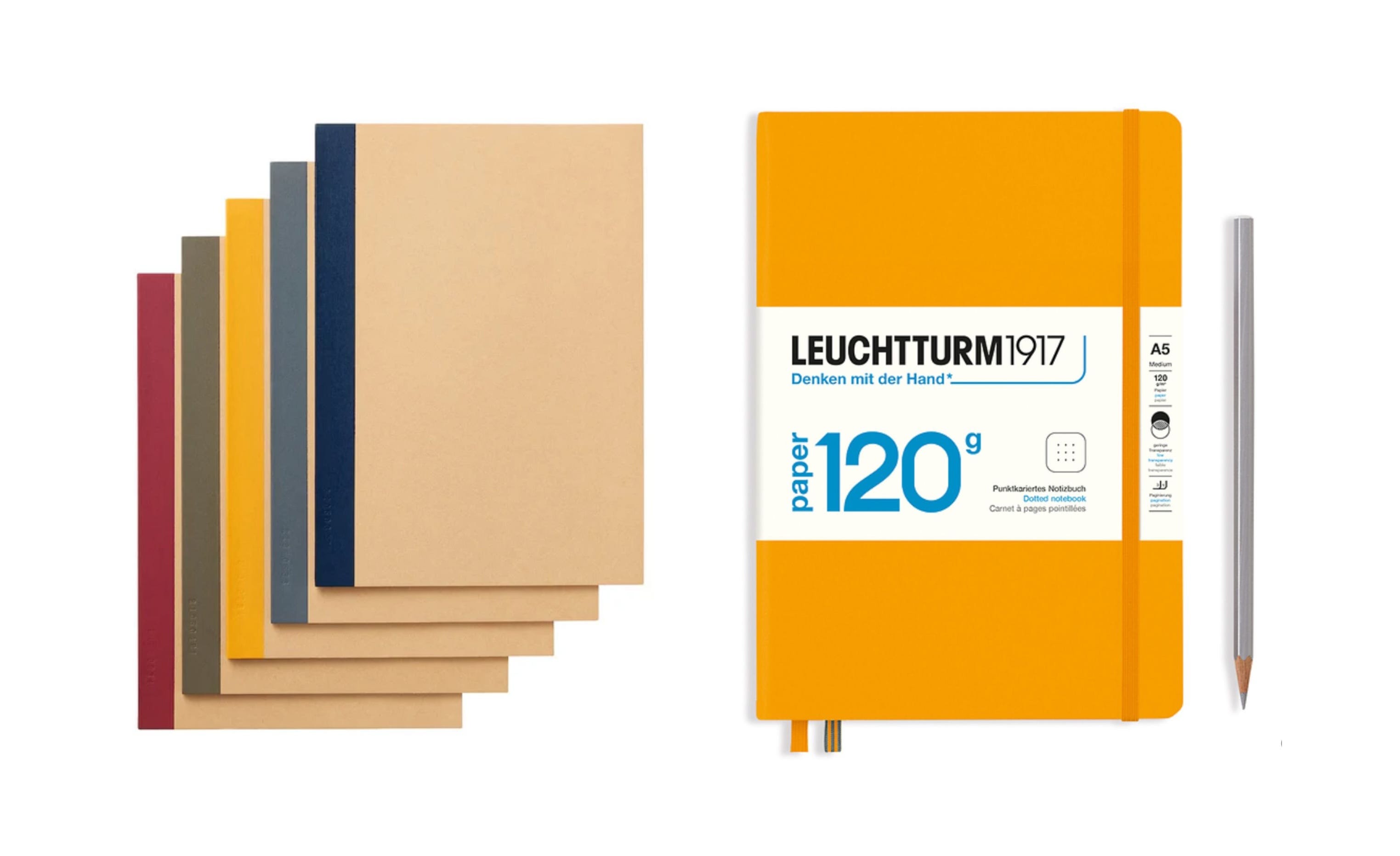
Muji’s B5 Lined Notebooks and Leuchtturm Notebooks are my all-time favorite notebooks for a variety of uses
WRITING TOOLS
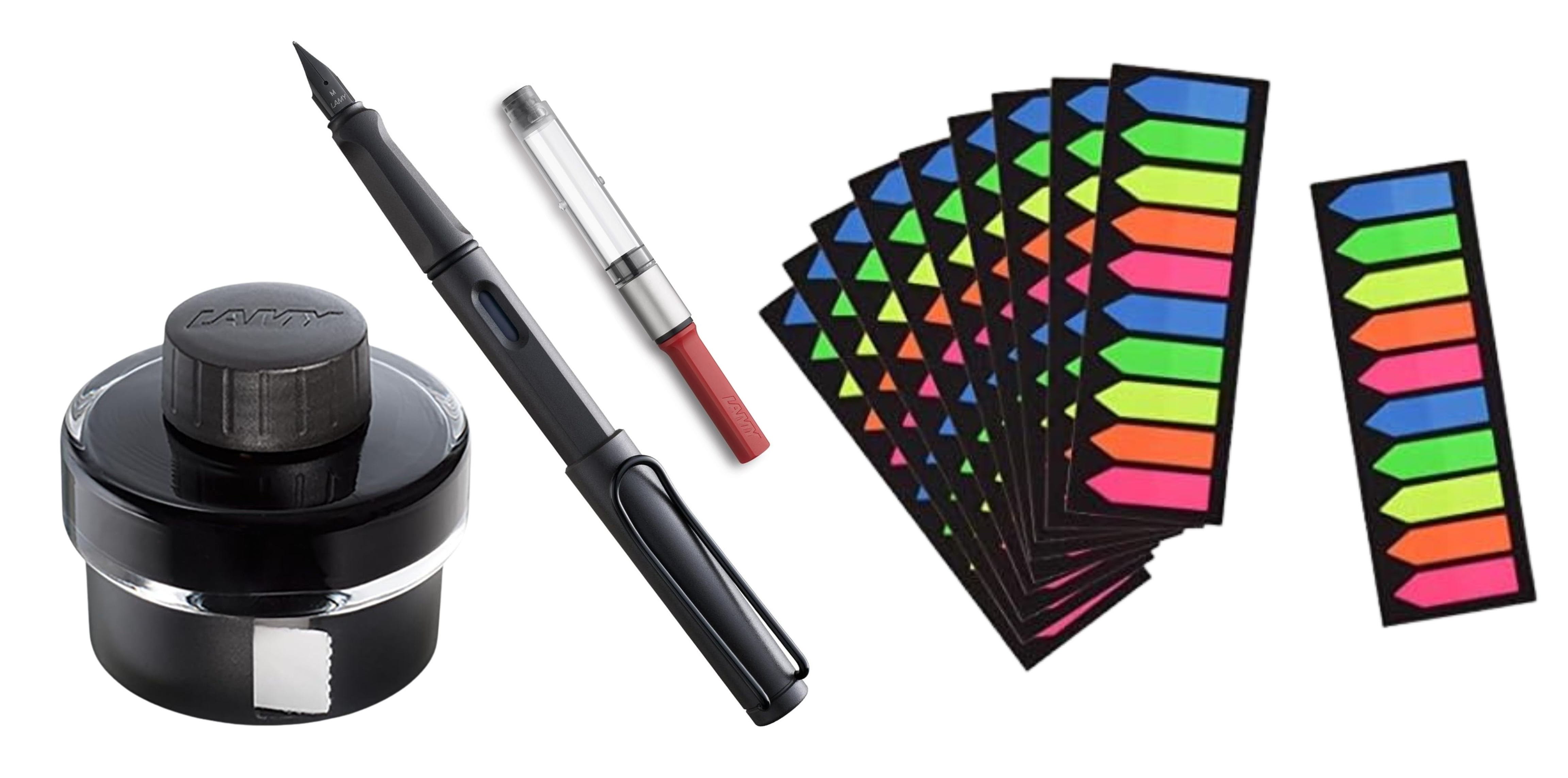
Fountain pens are completely worthwhile—they save money and reduce waste. My go-to is the LAMY Safari Fountain Pen and I use a refill cartridge and simply keep a container of black ink handy. Page markers are also useful!
FOOD STORAGE ORGANIZATION
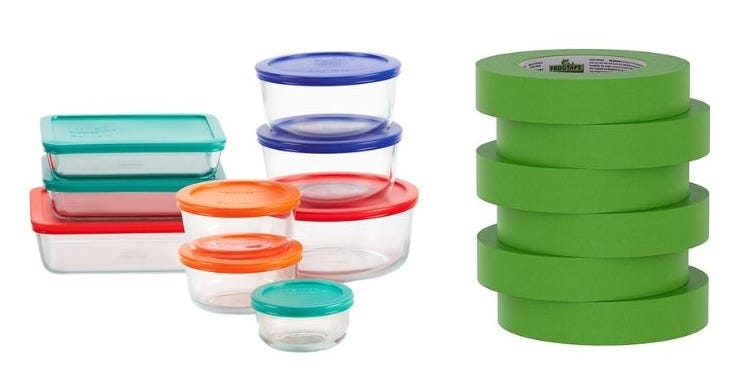
I swear by glass pyrex for refrigerated food storage and frog tape is the best waterproof labeling tape out there. They look good too. I use Cambro containers at the shop—plastic, though! I feel like I’m always trying to get away from it.
If you have any questions, don’t hesitate to get in touch. My Valentine’s week home refrigerator is pictured below.